

There is something undeniably satisfying about lighting a candle you crafted with your own hands. Whether you are looking for a relaxing new hobby, a way to create personalized gifts, or the start of a small business, candle making is a creative and rewarding craft.
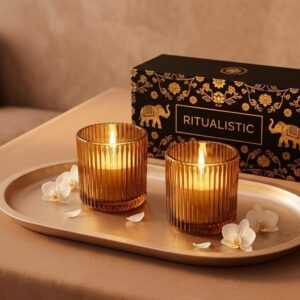
In this guide, we’ll walk you through the basics of creating your first soy candle.
What You’ll Need
Before you begin, gather your supplies. You can find these at most craft stores or online candle-making suppliers.
Wax: Soy wax flakes are the most beginner-friendly choice as they are natural and easy to clean up.
Wicks: Choose pre-tabbed wicks suited for the diameter of your container.
Fragrance Oil: Use oils specifically formulated for candle making.
Container: Glass jars, tins, or ceramic vessels.
Wick Stickers or Glue: To secure the wick to the bottom of the jar.
Double Boiler: A pouring pitcher placed inside a pot of simmering water.
Thermometer: Essential for monitoring wax temperature.
Wick Centering Tool: Or use two popsicle sticks held together with a rubber band.
Step-by-Step Instructions
1. Prepare Your Container
Ensure your container is clean and dry. Stick the wick tab to the center of the bottom of the container. Use your centering tool (or popsicle sticks) to ensure the wick stays upright and centered while the wax cools.
2. Melt the Wax
Fill your double boiler with water and bring to a simmer. Place the wax in your pouring pitcher and set it in the water. Heat the wax until it is fully melted, typically between 75°C and 85°C. Monitor the temperature closely with your thermometer.
3. Add Fragrance
Once melted, remove the wax from the heat. Let it cool slightly—usually to around 65°C to 70°C—before adding your fragrance oil. A good rule of thumb is to add 6% to 10% fragrance load (approximately 1 ounce of oil per pound of wax). Stir gently but thoroughly for about 2 minutes to ensure the oil is fully integrated.
4. Pour the Wax
Slowly pour the wax into your prepared container, leaving about half an inch of space at the top. Pouring slowly helps prevent air bubbles and unsightly craters as the wax sets.
5. Let It Cure
Patience is key! Allow your candle to cool at room temperature for at least 24 hours. While it may look solid sooner, “curing” the wax allows the fragrance to bind properly, leading to a much stronger scent throw when you finally light it.
6. Trim the Wick
Before your first burn, trim the wick to about 1/4 inch. This ensures a clean, steady flame and prevents excessive soot.
Pro Tips for Success
Record Your Recipes: Keep a notebook of how much wax, fragrance, and what type of wick you used. If you make a perfect candle, you’ll want to be able to replicate it!
Temperature Matters: If you add fragrance when the wax is too hot, the scent may evaporate; if it’s too cool, it won’t blend well. Always check the manufacturer’s instructions for your specific wax type.
Safety First: Never leave melting wax unattended. Always work in a well-ventilated area and keep a kitchen fire extinguisher nearby.
Candle making is all about experimentation. Don’t be discouraged if your first batch isn’t perfect—every candle is a learning opportunity. Once you master these basics, you can start experimenting with colors, dried flowers, and unique scent blends to truly make your candles your own.